
riding far blog
Our goal is to raise riders' awareness of the importance of mental and emotional skills in equestrian sport. We help equestrians achieve their personal riding goals.
WE SUPPORT, CHALLENGE AND INSPIRE EQUESTRIANS
We hope you will enjoy our insights in the forms of Casual Conversations, videos and articles aimed at helping the equestrian transform their relationships with their horses. We are passionate about sharing our knowledge, tips, tricks, and experiences.
June 17, 2025
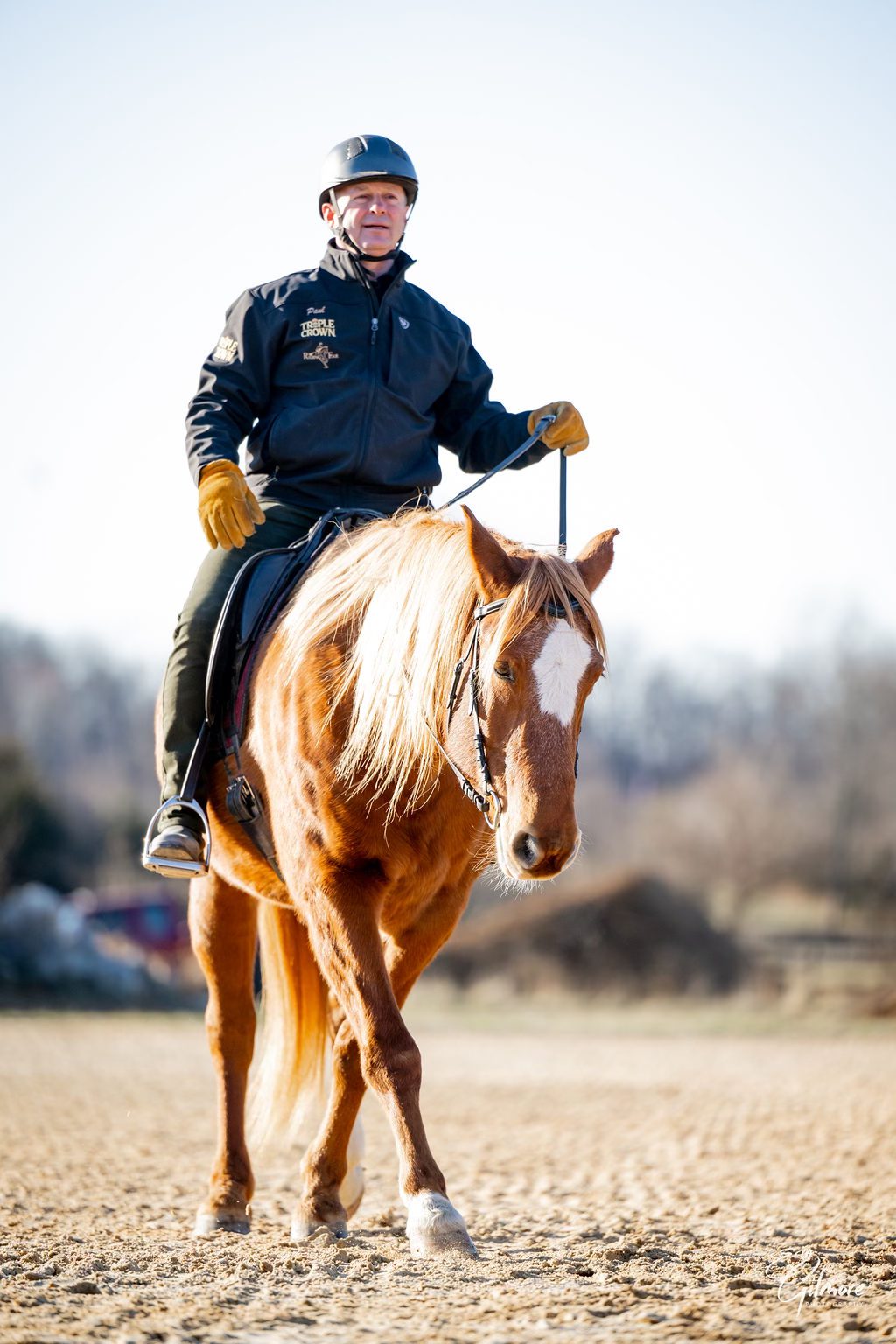
Last night, I attended my ballroom dance studio’s annual formal. Pam and I look forward to this event every year, treating it as our adult prom. We get all dressed up, take pictures in the sparkly balloon arch, and dance the night away. Unfortunately, this year Pam was sick and couldn’t attend. I represented us both, but it just wasn’t quite the same. Don’t get me wrong—I never pass up an opportunity to dance, and I’m grateful to all the women who graciously accepted my requests.
I’ve danced with Pam for over 37 years. Sure, we didn’t always do the formal, fancy ballroom stuff, but we danced. A funny thing happens when you spend that much time dancing with someone: it’s almost like you are heard without asking and hear without being asked. Most of the time, it’s seamless, even when navigating the unexpected obstacles on a crowded dance floor.
Last night, I danced with many different partners, and it wasn’t always seamless. I stepped on a few toes and miscommunicated a lead or two. Several of my partners were new to ballroom, and I inadvertently asked questions of them for which they hadn’t yet learned the answers. As I navigated these less-than-perfect moments, I found myself adopting a strategy that was kind to myself and, I hope, kind to my partners. I simply smiled, paused, reset, and reconnected to the music. Wow—if only I could do that with my horse!
Even in the best of times, things occasionally get out of whack. Doing our best and progressing isn’t really about preventing mistakes or making every moment perfect and seamless. Rather, I believe it’s more about how we navigate those imperfect moments that determines our trajectory. Meeting those moments with kindness toward ourselves and our partners, with a sense of humor and lightness of spirit, and with a sense of personal responsibility and desire to improve—that’s all it really takes. ~ Paul Haefner
#horses#dancingwithhorses#pathwaytoperformance#reset#equestrian#equestrianlife#sportpsych#equestriansportpsych#sportpsychology#equestriansportpsychology
Read More
This weekend I am attending the third annual Horses and Humans Research Foundation’s (HHRF) research conference. Years ago, as a member and the president of the board, I advocated for events like this, where people could come together and share their questions, explore methods of inquiry, and discuss the results of their efforts at increasing our knowledge of the ways in which horses-human interactions contribute to the wellness of both horses and people.
We come know things in a lot of different ways. There is focused and casual observation, experience, intuition, direct education, inculturation, among others. In my experience, the world of horse-human interactions has been dominated by the emotional and spiritual. It makes sense to me because of the powerful reactions and responses that so many have in the presence of the horse. Powerful personal experience with no real understanding of the process, the “why”, or the underlying mechanisms have always led people to invoke the spiritual.
This weekend I am reminded of a different way of knowing or coming to know. Knowing through application of the scientific method. Knowing through careful, thoughtful, and controlled research.
One of my early mentors, Cliff Notarius, used to say that “science is a way to minimize the probability that we are lying to each other.” Those who know me well, know that I am not one to engage in the worship of empirical science to the exclusion of the full range of human experience. But, I am one to value empirical science as crucial way of knowing the world. I deeply believe that our investment in the science of horse-human interactions can make the world a better place for ourselves and our equine partners.
If you believe the same, check out HHRF and consider supporting them in pursuit of their mission. I know that you and your horse, as well as the generations to come, will be glad you did. ~ Paul
#knowiing#horses#scientificmethod#horseshealinghumans#horsesandhumansresearchfoundation#equestrian#equestrianlife#sportpsych#equestriansportpsych#sportpsychology#equestriansportpsychology
See less
June 16, 2025
Read more
June 15, 2025
So many of the riders I work with are courageous and earnest in their struggle with their fears, nerves, and self-doubt. They come to each session with a concern or issue. They are eager to talk through their “homework” assignments and find the next step.
One of my clients had a hectic week filled with all the things of life, work, and relationships. They admitted that they hadn’t given much thought to our session or even had time to implement the plans from the previous one.
In the conversation that followed we wandered a bit and wondered a bit about parts of their life that usually wouldn’t come up in conversation if we were focused on their riding. As often happens, we discovered patterns and experiences in other parts of their life that related directly to their riding experience.
Time will tell if these insights and and new awarenesses will help them in their riding. But, it reminded me how powerful taking the time to be with someone in a different way can be.
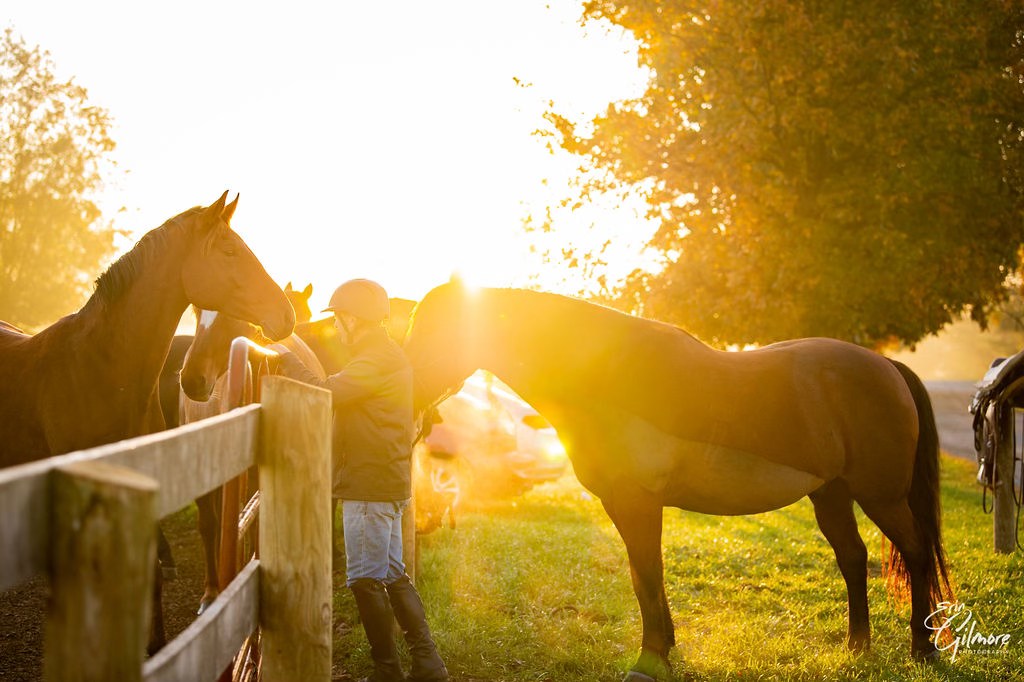
I went to ride yesterday. After riding my mare Nubble, I headed out to grab Lil’ Joe. He was napping in the sun. It was a beautiful day, for a change. It was warm and the sun was shining. As I approached him he looked gently over toward me and then went back to snoozing.
I had this thought. I wonder what would happen if I set my plans and eagerness aside. What if I joined him, a different kind of wandering and wondering. I lay down next to him and we snoozed in the sun.
I don’t know how or if what Joe and I experienced will circle back to our work together. It is easy to be all mystical about it and it is just as easy to be cynical. I do know the joy I felt napping with him in the sun. And, I know that I will pay attention and trust in my experience.
The next time you bump up against life and it gets in the way of your carefully crafted plans, take the time to wander and wonder. I am guessing that you will be glad you did. ~ Paul
#wonder#wander#wanderandwonder#bestlaidplans#gowiththeflow#equestrian#equestrianlife#sportpsych#equestriansportpsych#sportpsychology#equestriansportpsychology
Read More
Last year my son Luke received a grant to compose a piece that “elevated the voices of post-incarcerated women” for the Freedom Fighting Missionaries (FFM) that serves post-incarcerated and justice-involved individuals and families. Last night his piece premiered at FFM’s annual fundraising gala. On a personal note, I am incredibly proud of this young man for his talent, vision, compassion, hard work, and the creation of this powerful piece. After his piece was played, he walked back over to our table and said something to the effect, “400 man hours and… that’s it.”
The parallel to any riding competition, or any project culminating in a defined outcome for that matter, is striking. After hours, years, and sometimes decades, it all boils down to a few minutes and… that’s it.
Imagine for a moment that your sense of self-worth and your identity was all wrapped up in the performance. What stood out for me last night was the difference between the performance which will be judged by each individual through their own personal filters and Luke’s experience of creation. I know my son to be the man who sought to serve the community rather than himself. I know my son to be the man who endeavored to connect with and compassionately understand the experiences of the women he interviewed. I know my son to be the man who worked diligently and creatively to give these experiences life in music. And, he is so much more than the performance of one piece. So much more than a composer.
It is a reminder for me this year as I enter into our clinic season and step into working equitation competition that I am so much more than my performance in any of these roles at any time. Join me in knowing and embracing our larger selves, drawing our sense of value and esteem from all of who we are and all of what we do. Then we might say, “400 man hours… Yes!!!”
~ Paul
#performance#performanceidentity#selfworth#bestself#equestrian#equestrianlife#sportpsych#equestriansportpsych#sportpsychology#equestriansportpsychology
June 13, 2025
Read more
June 10, 2025
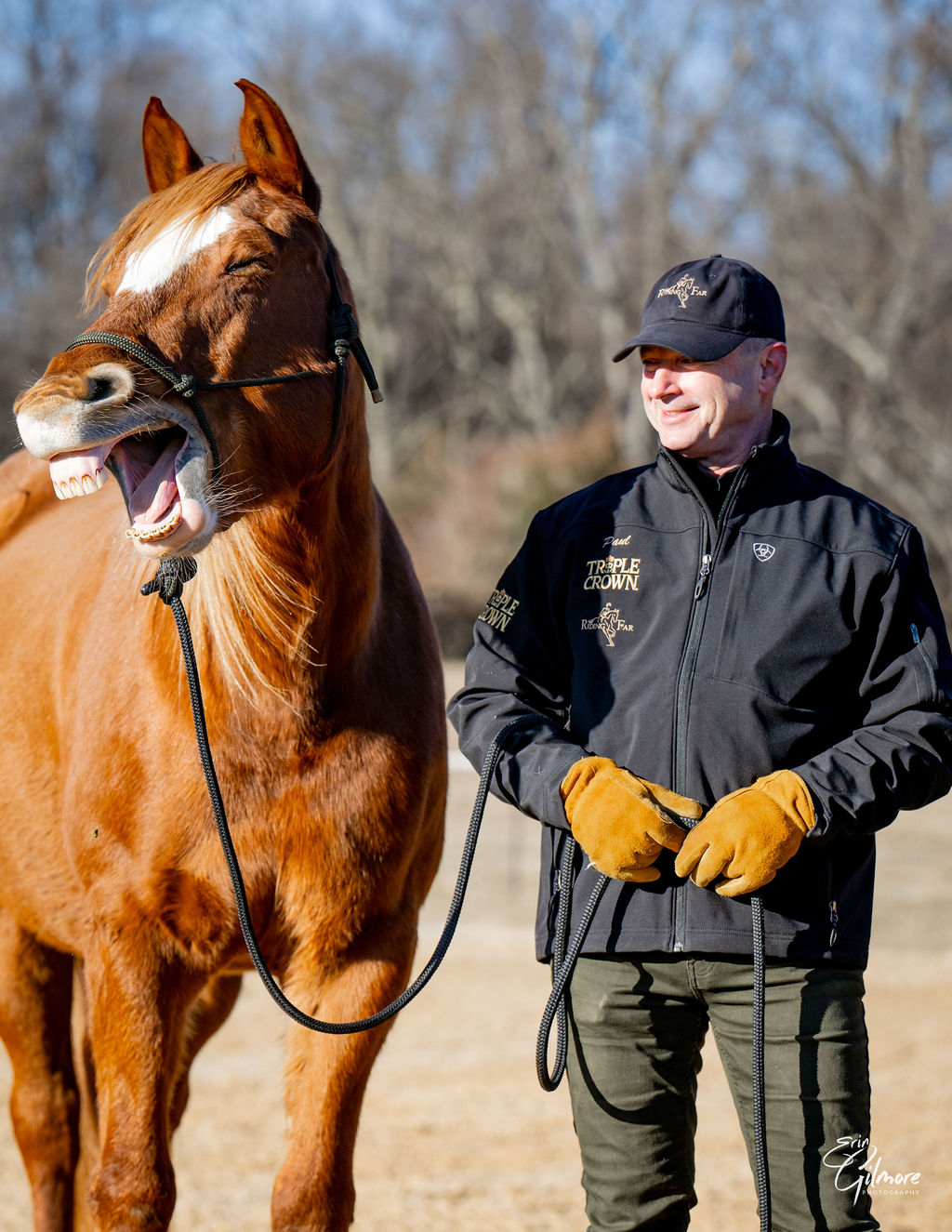
An old saying goes, “You can’t train a horse if you can’t move its feet.” We often focus on shaping our horses’ active behaviors, but what do we do when they are shut down, checked out, and hard to reach?
The same applies to riding students. Most instructors find it easier to correct or guide a student’s active riding behaviors (or misbehaviors) than to engage them when they’re disengaged or shut down. Think of the student who never seems to hear your instructions, the one who stops riding and sits idly with their horse in the middle of the arena, or the stressed rider who mentally “disappears” during your conversation.
Wouldn’t it be empowering to have the knowledge and tools to handle these challenging situations effectively? How would it feel to respond with calm confidence, free from worry, self-doubt, or frustration?
The key to staying composed and self-assured in these interactions lies in understanding the dynamics at play and employing effective strategies. Just as learning to ride builds confidence through knowledge and practice, developing skills to manage difficult student interactions enhances your ability to navigate challenges with ease.
That’s why we’re offering a free online class designed for instructors, coaches, and clinicians. Choose from three live sessions:
- June 12 at 7:00 PM EST
- June 16 at 12:00 PM EST
- June 18 at 7:00 PM EST
In this session, we’ll explore:
- Why emotional outbursts occur in the saddle, even when everything seems fine
- What’s happening in a student’s nervous system during moments of distress
- How to support your student without taking on responsibility for their emotions
You’ll walk away with deeper insights and practical tools you can apply immediately.
We’d love to have you join us.
Save your seat here Button: https://course.ridingfar.com/join-us
Read More
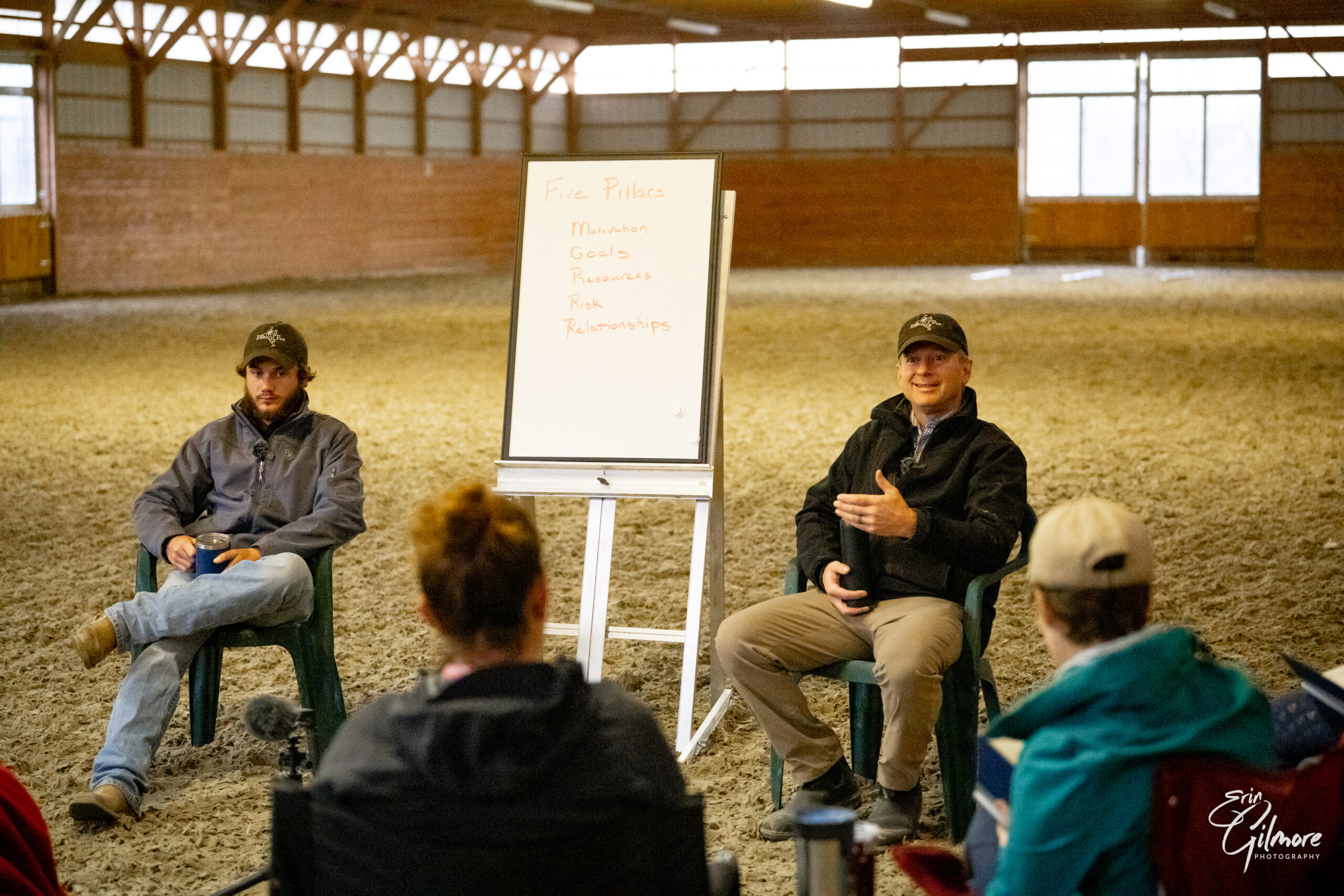
We are excited about our latest endeavor: providing specialized resources for riding instructors. Through our work, we’ve realized that many instructors, particularly in the United States, receive extensive training in horsemanship and technical expertise but little guidance on teaching people effectively. This gap in training is significant. Understanding human learning and emotions is crucial for successful instruction.
Riding often evokes strong emotions in students, such as fear, excitement, or self-judgment. Yet, instructors are rarely equipped with strategies to address these emotional responses or the science behind how people learn. To bridge this gap, we’re developing resources to help instructors manage emotions, implement effective teaching strategies, and better support their students.
As part of this initiative, we’re offering a free online class designed specifically for riding instructors, coaches, and clinicians. Join us for one of three live sessions:
- June 12 at 7:00 PM EDT
- June 16 at 12:00 PM EDT
- June 18 at 7:00 PM EDT
In this session, you’ll discover:
- Why emotional outbursts occur in the saddle, even when lessons seem to be going well
- What’s happening in a student’s nervous system during moments of distress
- How to support students without taking responsibility for their emotions
You’ll leave with a deeper understanding of these dynamics and practical tools you can apply immediately in your teaching.
We’d love for you to join us!
Save your seat here (Button: https://course.ridingfar.com/join-us )
June 10, 2025
Read more
June 8, 2025
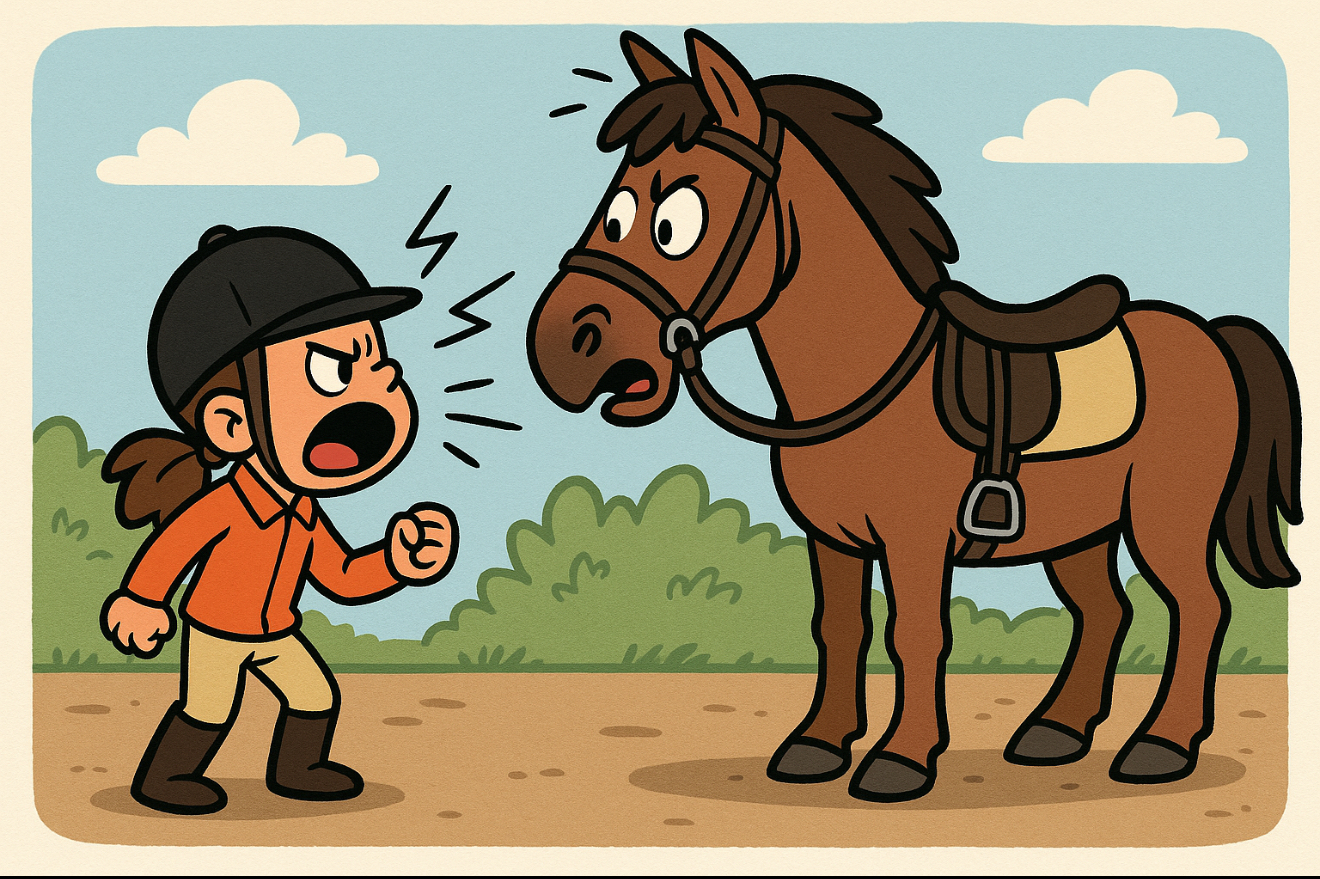
As a student of riding and horsemanship, I’ve often felt frustrated. These days, I believe I manage it well, recognizing that frustration is a natural part of tackling challenging tasks. With age, I’ve grown more patient, self-compassionate, and better at pausing before reacting to my emotions.
As a teacher, it’s painful to watch students get lost in anger or frustration, especially when those feelings are directed at the horses they ride. This is a common concern shared by our instructor clients.
Helping clients regulate emotions like frustration and anger can be daunting, particularly if you lack foundational knowledge. Effectively supporting students requires understanding emotions—their functions, and how they influence thinking and behavior—along with practical strategies to help students manage their feelings. For example, did you know that frustration and anger are often secondary emotions, serving a protective role?
That’s why we’re offering a free online class designed for instructors, coaches, and clinicians. Choose from three live sessions:
- June 12 at 7:00 PM EST
- June 16 at 12:00 PM EST
- June 18 at 7:00 PM EST
In this session, we’ll explore:
- Why emotional outbursts occur in the saddle, even when things seem fine
- What’s happening in a student’s nervous system during distress
- How to support your student without taking responsibility for their emotions
You’ll leave with a deeper understanding and practical tools you can apply immediately.
We’d love to have you join us.
Save your seat here: https://course.ridingfar.com/join-us
Read More
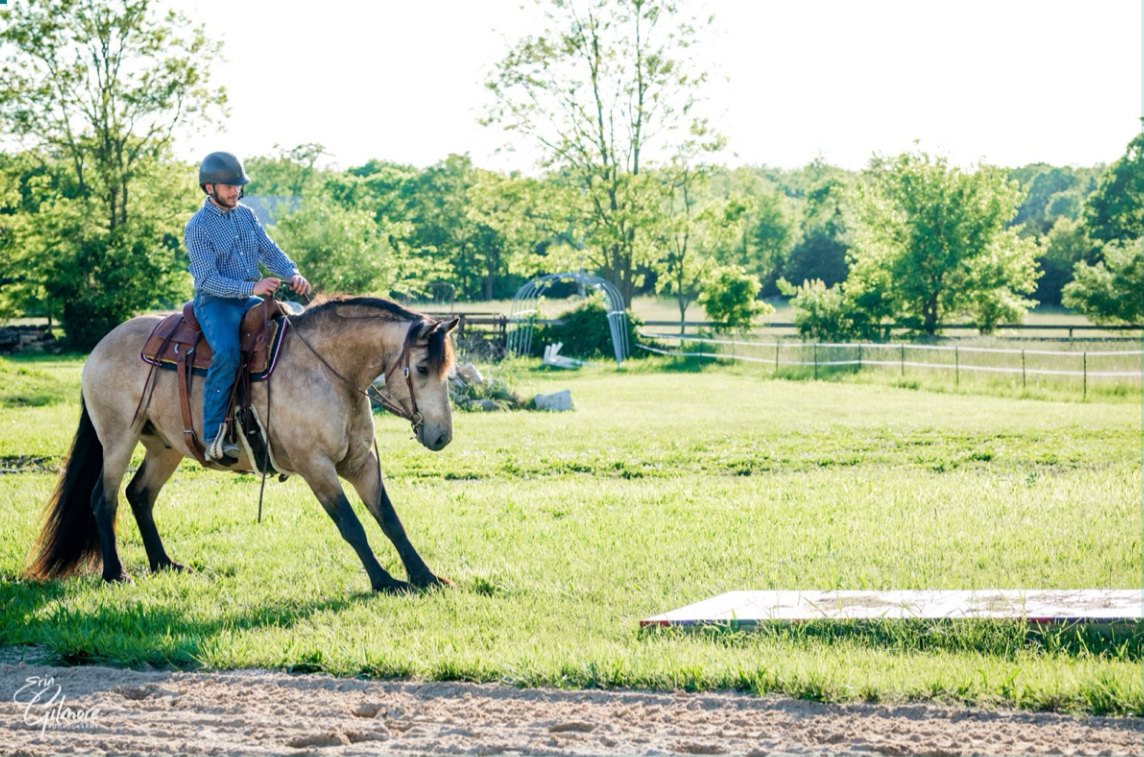
As a dedicated riding instructor, you’ve invested time and effort to hone your skills and deepen your knowledge. Your passion lies in helping your students grow, progress, and succeed in their riding journey. You can see the path forward clearly, and the next step is right there, waiting for them to take. Yet, sometimes, something holds them back.
Every trainer knows the story of a promising student whose progress stalls. You recognize their potential and have equipped them with the skills to take the next step. But when they reach that threshold, they freeze, as if an invisible barrier blocks the way. The culprit? Fear.
Fear is a natural part of our human experience, hardwired into our neural architecture to keep us safe. It has helped us survive and navigate an uncertain world, encouraging caution as we explore new territory. However, not everyone experiences fear in the same way. Some riders can step far outside their comfort zone while staying grounded and composed. Others have a smaller window of tolerance, becoming overwhelmed by anxiety, which may manifest as argumentative behavior, tears, or freezing in the saddle.
Throughout my career, I’ve worked with riders to navigate their fears and supported instructors in developing the understanding and tools to guide their students through these challenges. Helping students grow emotionally as riders is much like training horses: while occasional breakthroughs happen, progress is often gradual, built through small, steady steps. To stay on this path, you need confidence in your skills and a supportive community to turn to when challenges arise.
We’ve heard your calls for accessible resources and support, and we’re here to help. Join us for our upcoming Emotions in the Arena webinar, where you’ll learn three key strategies to help your riding students manage their emotions, stay focused, and build resilience in the arena.
We know your time is precious, so we’re offering this free webinar on three different days and times to fit your schedule. Reserve your spot here (https://course.ridingfar.com/join-us) and take the first step toward empowering your students to overcome fear and thrive. We look forward to seeing you there!
~ Paul
#RiderConfidence #EquestrianMindset #OvercomeFear #emotionsinthearena #horses #ridingfear #ridingfar #ridingfarllc #equestrian #equestrianlife #sportpsych #equestriansportpsych #sportpsychology #equestriansportpsychology
June 7, 2025
Read more
June 6, 2025
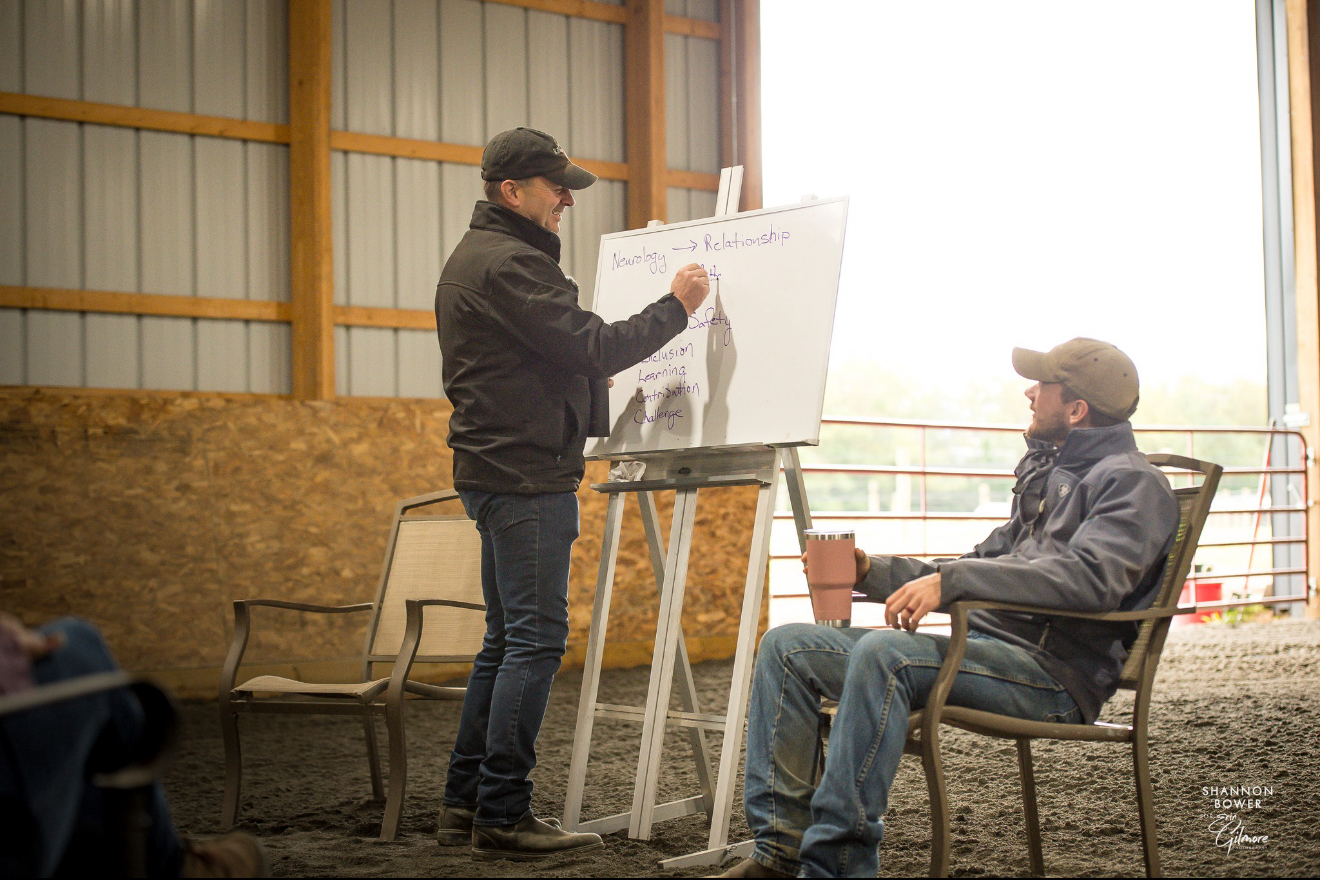
When the arena gets emotional, the horse is often the least complicated part.
We’ve all had those moments in a lesson, a student wells up unexpectedly, they go quiet, they get frustrated at a simple request…and suddenly, we’re not just teaching riding anymore.
We’re navigating fear. Frustration. Even shame.
Most of us weren’t trained for that part.
That’s why we’re offering a free online class designed specifically for instructors, coaches, and clinicians:
Choose from 3 live sessions:
June 12 at 7pm EST
June 16 at 12pm EST
June 18 at 7pm EST
In this session, we’ll explore:
- Why emotional outbursts happen in the saddle—even when things seem to be going fine
- What’s happening in the nervous system of a student in distress
- How to support your student without becoming responsible for their emotions
You’ll walk away with a deeper understanding and a few clear tools you can use right away.
We’d love to have you join us.
Save your seat here: https://course.ridingfar.com/join-us
Read More
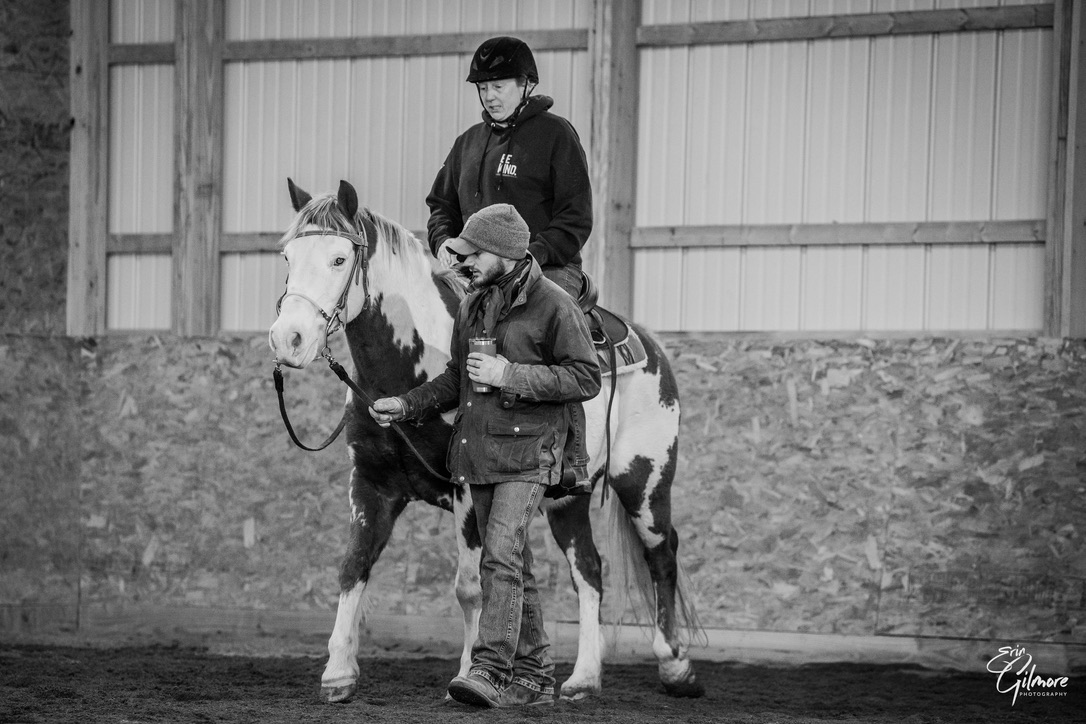
As riding instructors, we often witness intense emotions in our students. The challenges of horseback riding—whether mastering a new skill or facing a horse’s unpredictable nature—can spark fear, frustration, or tears. When a student has a meltdown, it’s easy to feel overwhelmed or unsure how to respond.
Our instinct might be to control the situation with phrases like, “It’s not that bad,” or “Stop crying,” or even offer bribes to regain calm. While these tactics may seem effective in the moment, they often fall short and can lead to recurring emotional outbursts.
There’s a better way: empathic connection. By pausing to see the situation through your student’s eyes, understanding their experience, and showing genuine curiosity, you can defuse intense emotions and build trust. This isn’t about agreeing with their perspective—it’s about making them feel seen and safe.
Here’s how to put empathy into practice:
- Pause and Observe: Take a moment to notice your student’s emotional state without judgment.
- Reflect Their Experience: Say something like, “I can see this feels really tough right now. Can you tell me what’s going on?”
- Validate Their Feelings: Acknowledge their emotions without trying to fix them immediately. For example, “It’s okay to feel scared; riding can be challenging.”
Empathy engages the nervous system’s natural ability to regulate emotions. While it’s not a magic fix—some riders may still struggle with anger or tears—it creates a safe space for emotional growth. This approach fosters resilience, strengthens the instructor-student bond, and helps riders feel valued, setting them up for success both in the saddle and beyond.
Let’s embrace empathy in our teaching to create a supportive environment where our students can thrive. How do you support your riders’ emotional regulation? Share your strategies below!
~ Paul
June 4, 2025


