

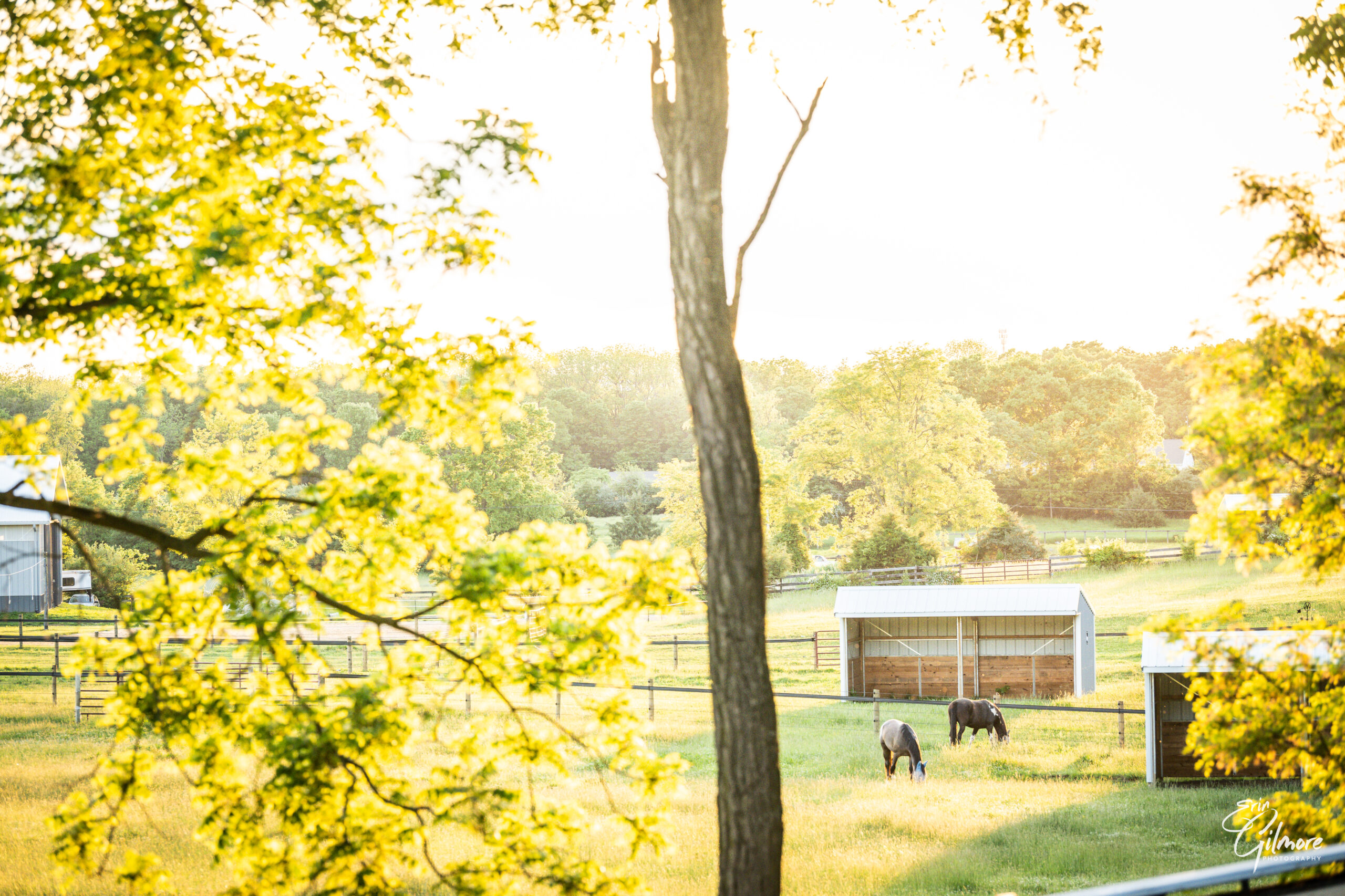
On the shores of Lake Champlain, just south of Burlington, Vermont, sits a 1,400-acre farm known as Shelburne. I am generally not one for traditional sightseeing, but my wife and I visited Shelburne during our New England honeymoon adventure almost 38 years ago.
I honestly do not remember much about the visit, with the exception of one experience. As you drove or walked from place to place on the farm, it became an adventure in discovery. Around each bend and over each hilltop, I was greeted with a new, beautiful bucolic vista.
I later learned this was intentional and the work of Frederick Law Olmsted Sr., the undisputed father of American landscape architecture (think Central Park and the Biltmore Estate). He laid out the roads and paths along the natural contours of the land to alternately hide and then reveal vistas. In doing so, he created both mystery and surprise within the landscape.
I have often wondered why this experience has stayed with me all these years while so many others have faded and been forgotten. I think it has something to do with the fact that, through his work, Olmsted revealed something magical about the natural world. That experience of mystery and surprise deeply connected with my lived experience, not just in the physical world, but in the mental, emotional, energetic, and relational worlds as well.
The hard reality is that we cannot see what we cannot yet see. We experience only what is directly in front of us, what we are attending to in the present moment. When we are faced with disappointment, sadness, anger, grief, or pain, it can feel as though that is all that exists. The same is true for joy, happiness, excitement, and the whole range of positive emotional experiences.
I am grateful that I can enter into these experiences in a deep, present, and mindful way. At the same time, I do not want to get lost in them so completely that I lose my sense of mystery and surprise. I want to remember that there is always more to experience over the next hill and around the next bend, another opportunity to connect with wonder and awe in the twists and turns that shape our lives.
When faced with struggle, we are sometimes tempted toward hopelessness and self-pity. When faced with great joy and excitement, we are drawn toward celebration and self-congratulation. In either case, it is helpful to remember that we are simply taking in one more vista in the landscape of a long and rich life.
This is not meant to douse water on our joy or dismiss the reality of our pain, but rather to preserve a sense of awe in this magnificent journey where tomorrow remains a mystery and every turn holds the possibility of surprise and wonder.
~ Paul
#PsychSaturday #MysteryAndSurprise #WonderAndAwe #Mindfulness #PersonalGrowth #EmotionalWellbeing #LifeJourney #Presence #Reflection #PaulRidingFar
The Patterns That Shape Us
This morning I sat over coffee with one of my lifelong friends. As we talked, he shared a recent guided psilocybin experience that allowed him to make new and meaningful connections among the experiences of his life.
What struck me most was not the psilocybin itself. It was his description of finally seeing long-standing patterns in his thinking differently. He described feeling freed from some of the emotional baggage he had carried for years and discovering a fresher perspective on himself and the world around him.
It left me reflecting on how all of us gradually develop patterns for understanding life.
We lay down tracks of interpretation based on our early experiences, relationships, values, and environments. Those patterns influence how we make decisions, how we protect ourselves, and how we interpret both success and struggle.
When Helpful Patterns Become Limiting
To some degree, those patterns are incredibly useful. Reflecting on my own life, many of my early influences helped me become successful both personally and in the saddle.
But as I have grown older, I have also begun to notice their limitations.
Sometimes the very ways we learned to understand the world can narrow our experiences. The same thought patterns that once helped us cope can eventually contribute to frustration, resentment, judgment, anger, and disconnection from ourselves and others.
Growth often requires us to examine the very assumptions and emotional habits that once felt safe and dependable.
Why Growth Often Feels Chaotic
One of the things I learned during my years teaching physics is that systems that evolve into new levels of organization often pass through periods of instability before reorganizing themselves.
Nature offers beautiful examples of this process.
If you have ever witnessed the transformation of a Monarch butterfly from caterpillar to butterfly, you know that transformation is not neat or orderly. It is messy before something new emerges.
Human growth often works the same way.
Whether transformation comes through meditation, retreats, therapy, horses, meaningful conversations, coaching, or psychedelic-assisted experiences, growth asks us to temporarily loosen our grip on familiar ways of thinking and responding.
We often talk about stepping outside our comfort zones. I believe this is what we are really talking about.
Growth asks us to step into uncertainty.
The Importance of Trusted Guides
One important detail from my friend’s experience stood out to me:
It was guided.
If we want to refresh and renew ourselves, if we want to shed old baggage and grow into healthier ways of being, trusted guides matter.
Safe growth often requires relationships that provide support, perspective, accountability, and emotional safety while we move through the uncertainty of transformation.
My experience suggests that choosing both our guides and our methods of transformation wisely is incredibly important.
And unlike the Monarch butterfly, our transformation is not a one-time event.
Healthy growth requires continual renewal throughout our lives.
I know my horses appreciate my commitment to ongoing transformation and to becoming better with them in all that we do.
~ Paul


LEAVE A COMMENT
Comments